We’ve had such an exciting start to 2023, with all of our heritage projects coming to life, projects that together will explore the hidden heritage of Stanwick Lakes and tell the story of our wonderful site.
Restoration of the Bronze Age Bowl Barrow
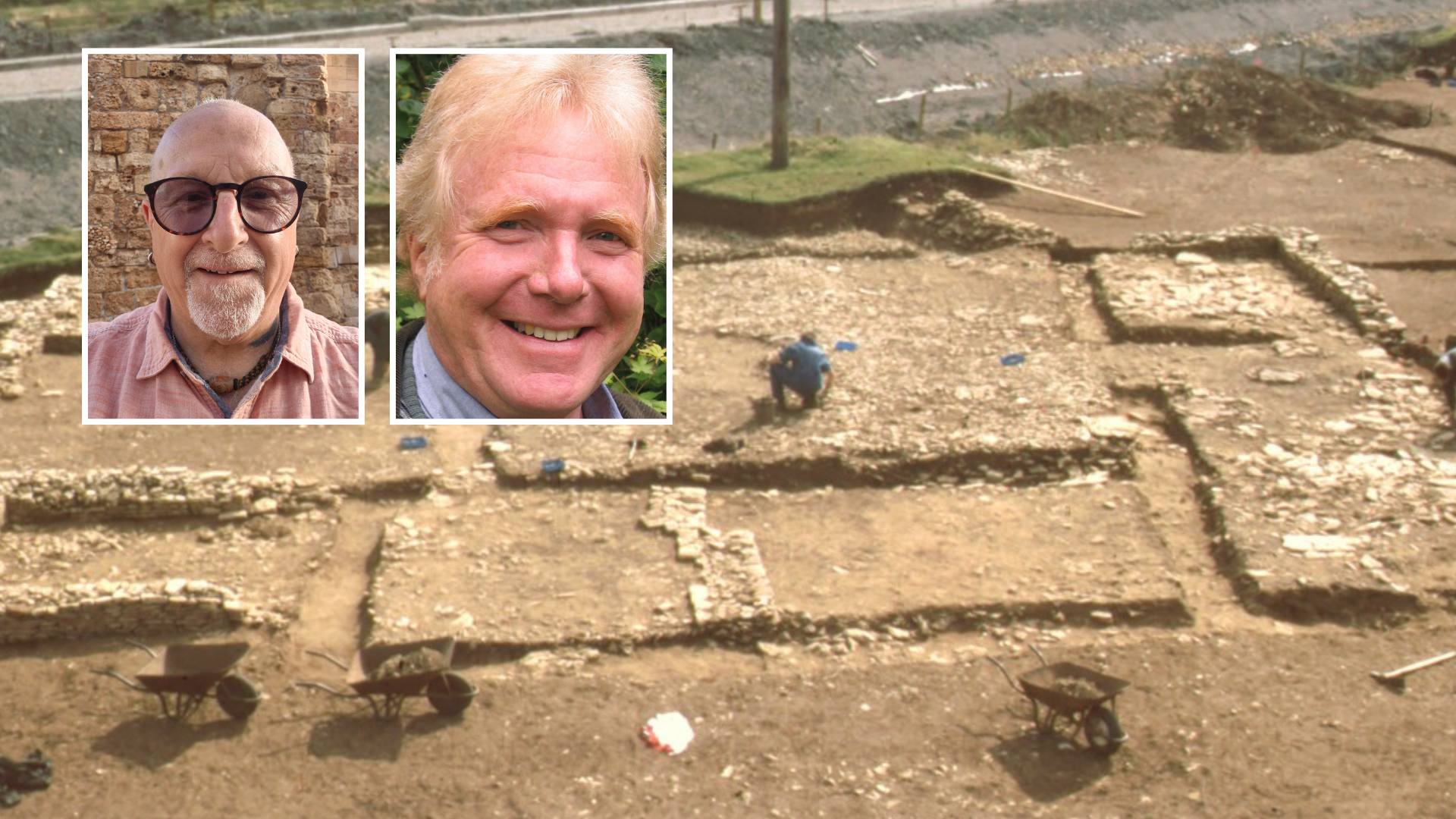
We have had some very supportive site visits from Historic England, and we were given the go ahead to start removal of the bund (soil mound) from around the barrow, under the watchful eye of our Chief Archaeologist Derek Roberts from Pre-Develop Archaeology who is our lead archaeologist supporting us with this project:
‘Urgent Actions to prevent further erosion and sustain and improve visibility of the scheduled monument known as the Irthlingborough Bowl Barrow (SM 13667, HA 1020235), Stanwick Lakes, Northamptonshire, have opened the barrow to the public while re-setting it within its new landscape. Further GPS, geophysical and photographic surveys including drone aerial video and aerial photographic surveys will document the works from inception to completion to further enhance the reverence and beauty of this physical statement of land ownership some 4500 years old.’
We were able to support the Nature team on an innovative environmental project, by repurposing soil from the bund to create new habitats for butterflies and other invertebrates, a project supported by Natural England and Beds & Northants Butterfly Conservation.
We have also utilised some of the soil at our prehistoric settlement to use to create a bund around the area which will add to the feel of recreating a settlement enclosure.
This week, we have welcomed Allen Archaeology onto site to conduct a geophysical survey of the barrow – the first since the early 1990’s.


Bronze Age Boat Build
We hosted our first volunteer weekend for our Boat Build Project, with Dr James Dilley from Ancient Craft UK showing us a variety of log boat examples unearthed around Europe from varying eras, and which techniques could be used as our project develops!
James is an experimental archaeologist and flintknapper, specialising in the British Stone Age and Bronze Age. He founded Ancient Craft to dedicate focus towards educating and reconnecting people to their prehistoric heritage, and fully shares our heritage ethos of making archaeology accessible for all.
It was a brilliant day to get the boat build volunteers together and learn about what processes and tools were used, as well as getting to watch a live Bronze Casting demo in preparation for creating replica tools for the boat build.
Our next steps will be taking part on Bronze casting workshops run by James so that the volunteers can learn the processes used in creating bronze tools and preparing them for the build itself.


(Thank you to Emma Jones ELWJPhotography)
Prehistoric Settlement
Our volunteers started on the second roundhouse build with enthusiasm at the beginning or March, with the posts and supports going in over just a handful of days.
Our volunteer group is a real mix of new and experienced volunteers, many of whom were involved in previous roundhouse builds at Stanwick Lakes, but it was nice to see so many new faces joining us on our building journey!
Snow and sleet put paid to a few days work, but the main structure is now complete, with work starting on the roof posts. It is really starting to take shape, and it is really starting to look like a prehistoric settlement.
The whole area will be surrounded with a small bund and enclosure, and will be used as one of our heritage hubs for educational outreach, schools, living history, and hands on heritage crafting.
Next on the list is to build the walls and get stuck in with the daub – guaranteed to get everyone a bit muddy!


Weaving and Textiles and Heritage Gardens
An exciting development of the project is our partnership with the Northants Guild of Spinners, Weavers and Dyers, who now meet in our heritage barn every week. They are researching and exploring Iron Age textiles and natural dyeing and have been busy researching and prepping to recreate the Iron Age clothes of “Huldremose Woman”; textiles so well preserved that studies were able to accurately identify detail such as the dyes and colours used and particular weaves and patterns on the fabric. This fascinating project will use these studies to detail the skill and time involved in creating Iron Age clothing using traditional techniques from preparation, spinning, dyeing and weaving each garment.
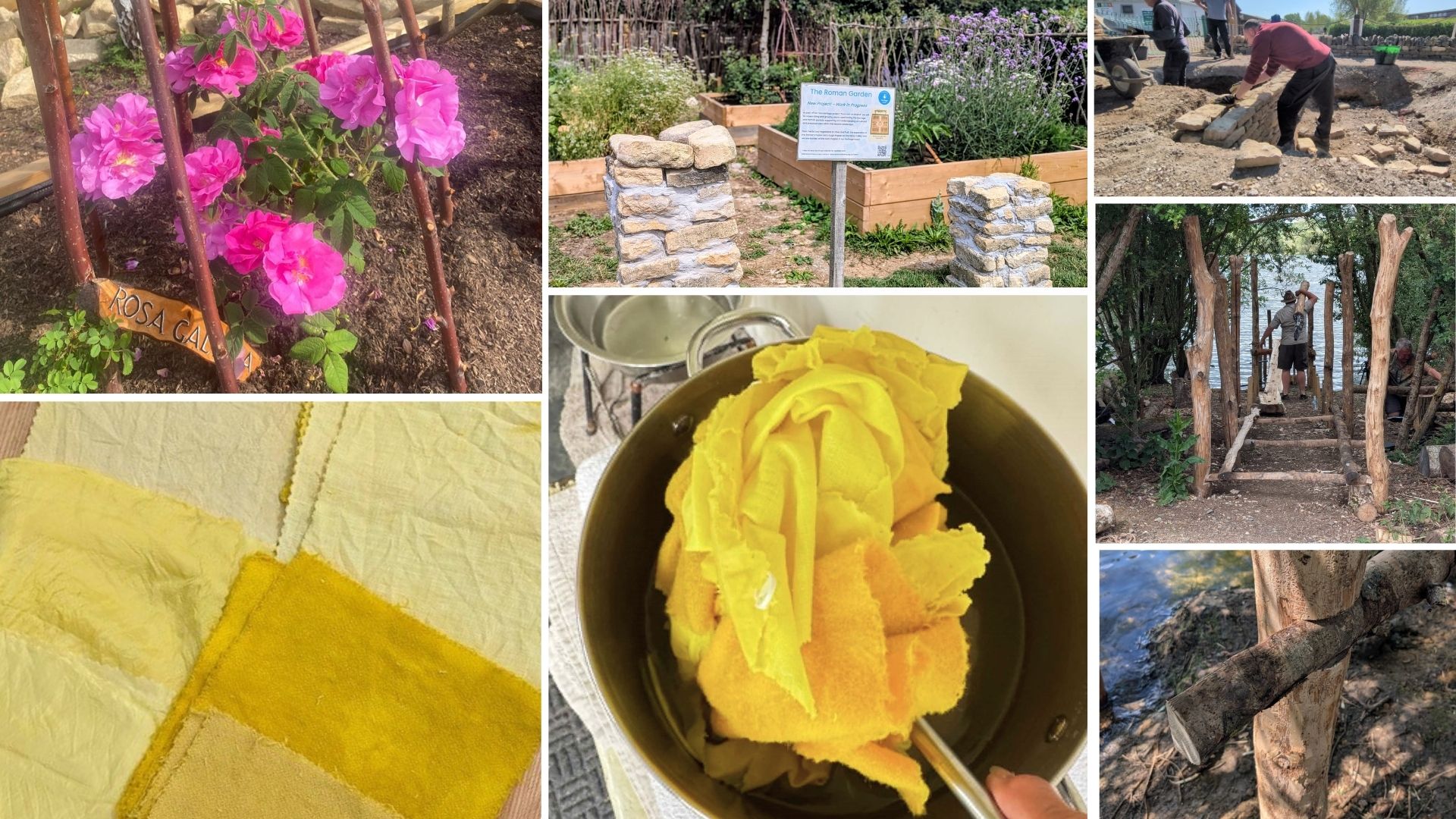
Our volunteer heritage gardeners have created a garden space for the Guild to grow plants for natural dyeing, which will give us a real insight into how colourful the Iron Age really was and develop our knowledge of ancient textiles. The garden team have also been working hard developing our Iron Age Nursery Garden, which will be where plants are sown to eventually be planted up at our settlement area to help bring that area to life.


We are hugely excited to see these projects develop throughout this year and beyond, and are enjoying creating our moment in history at Stanwick Lakes.